since 1976

since 1976
By Lee Pang Seng
TOYOTA is not fully out of the EV (electric vehicle) market if its Urban Cruiser is anything to go by. Our drive impression in the Urban Cruiser was certainly an eye opener in what it has to offer to those who want electric power motoring.
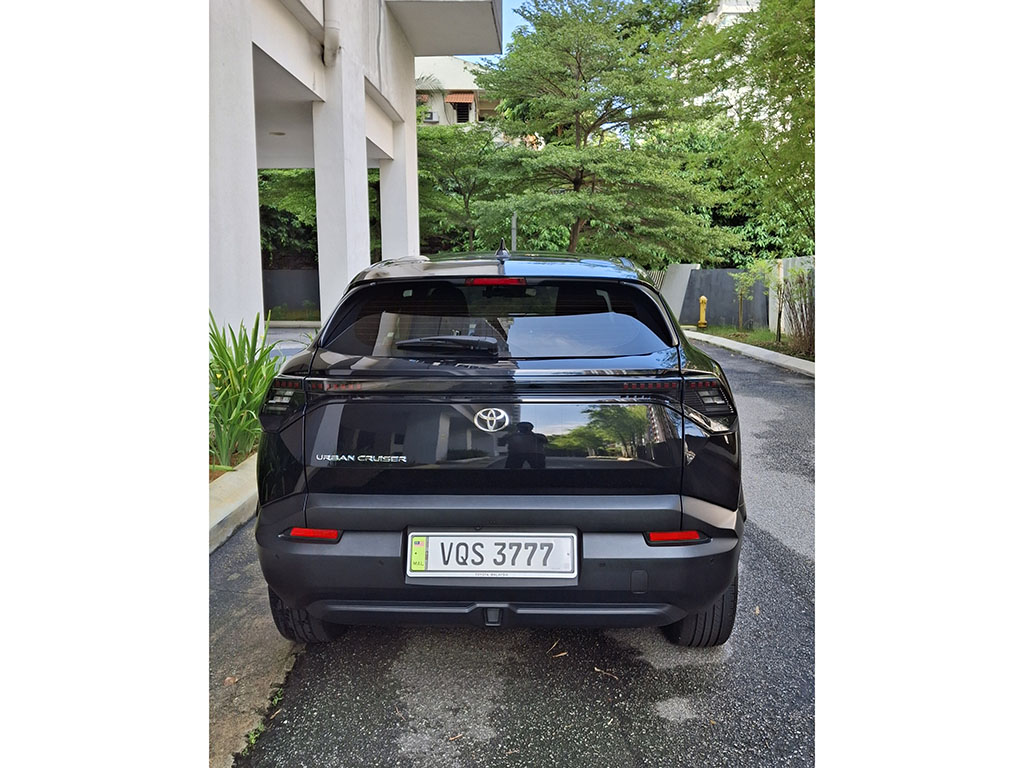
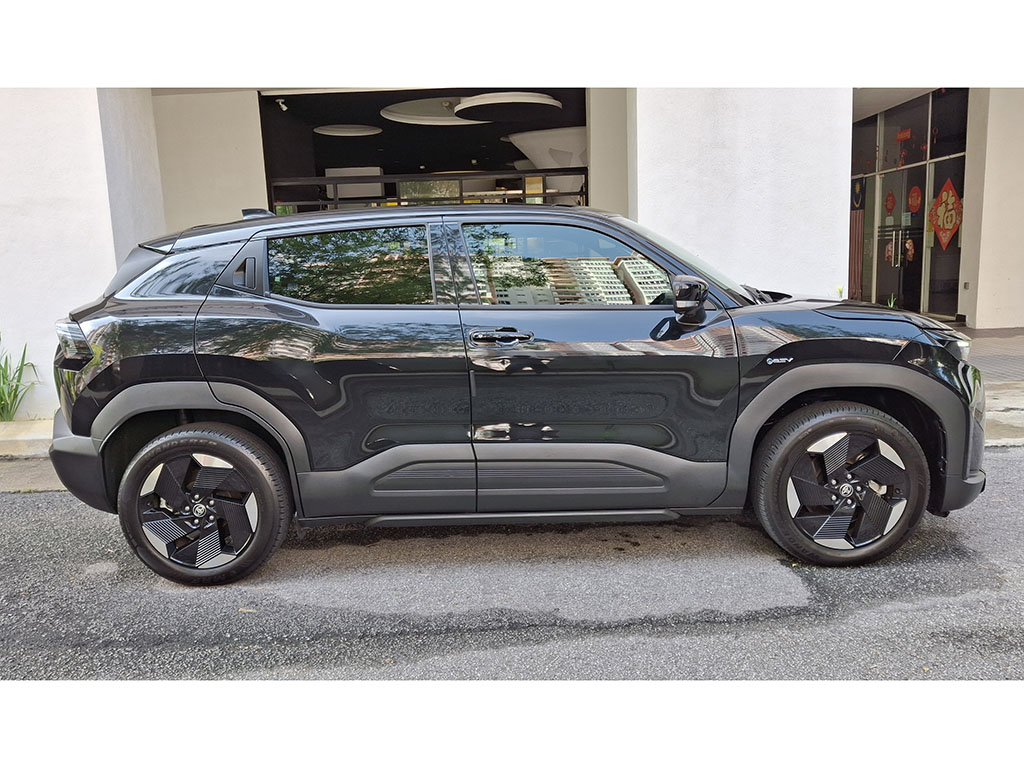
Launched in April 2026, the Urban Cruiser is a compact SUV (sport utility vehicle) that is dimensionally similar in body outline to the Yaris Cross, being 3285mm in overall length, 1800mm in width and 1636mm in overall height. It has a longer wheelbase of 2700mm against the Yaris Cross 2620mm.
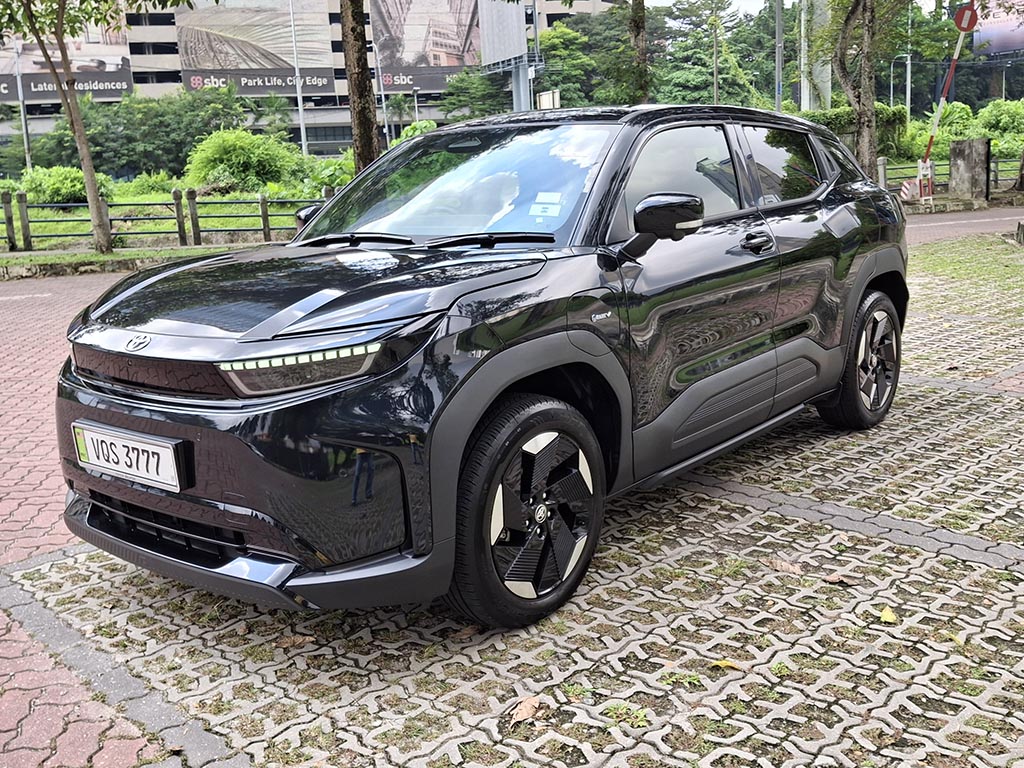
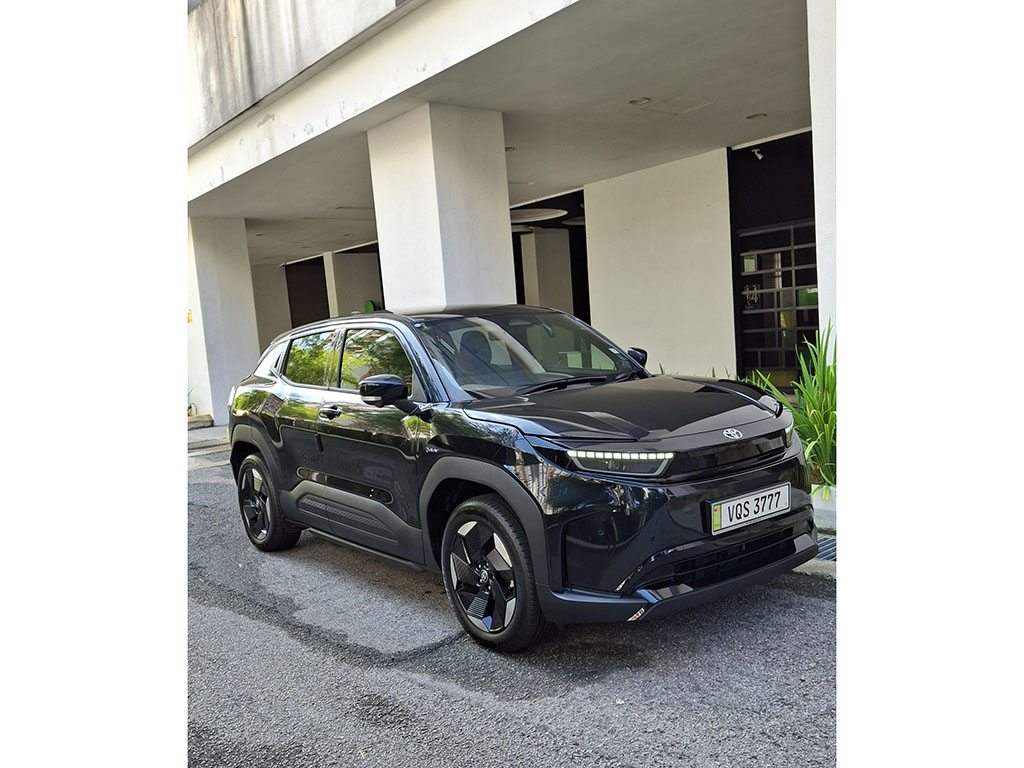
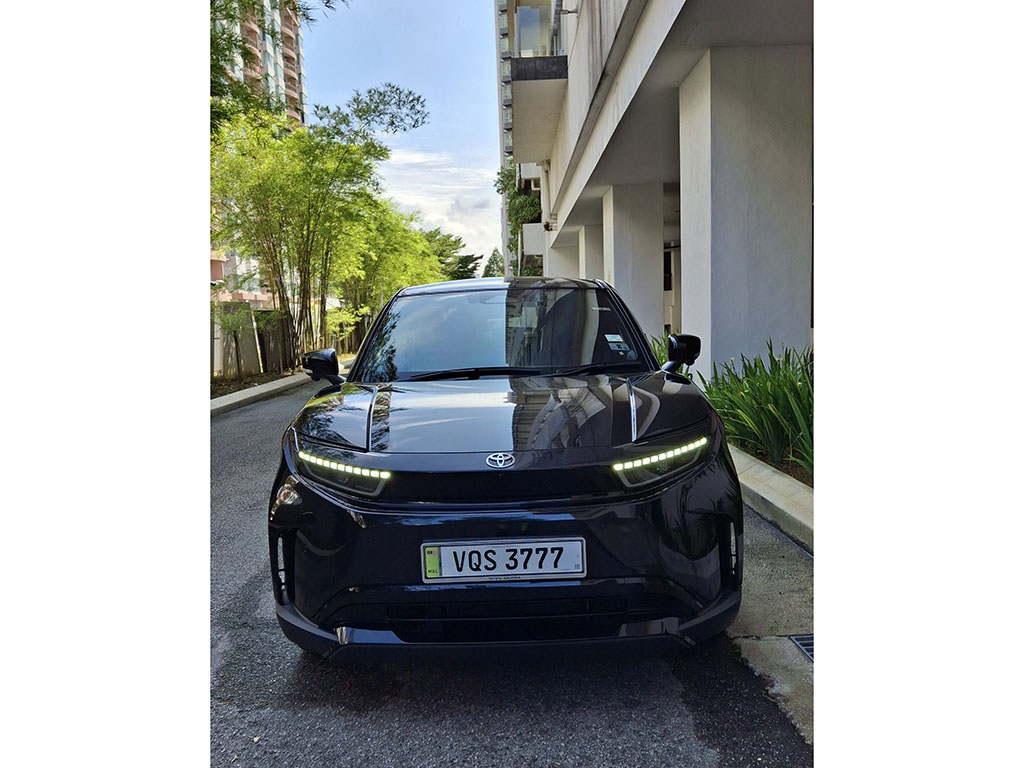
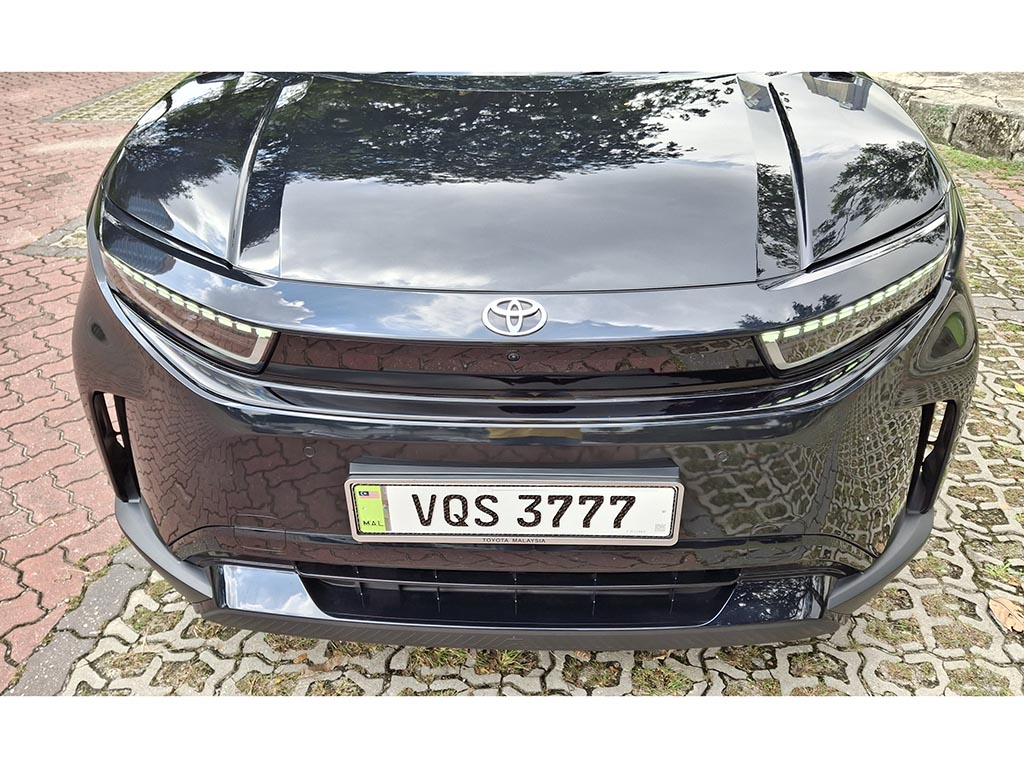
Imported from India, the Urban Cruiser is sold in ‘selected Asean and European markets’. It has its own body styling to portray its distinct aura and this includes the ‘hammerhead’ front end. Described as a Toyota design style, it is accentuated by a slim margin line around its leading edge.
Toyota says the visual effect is enhanced by slim headlight units with light guides for the horizontal LED (light emitting diode) daytime running lights and turn indicators, and a U-shaped garnish around a bi-LED that projects high and low beams. The ‘strongly defined lower bumper with a gloss black finish’ is designed to accentuate the car’s wide stance.
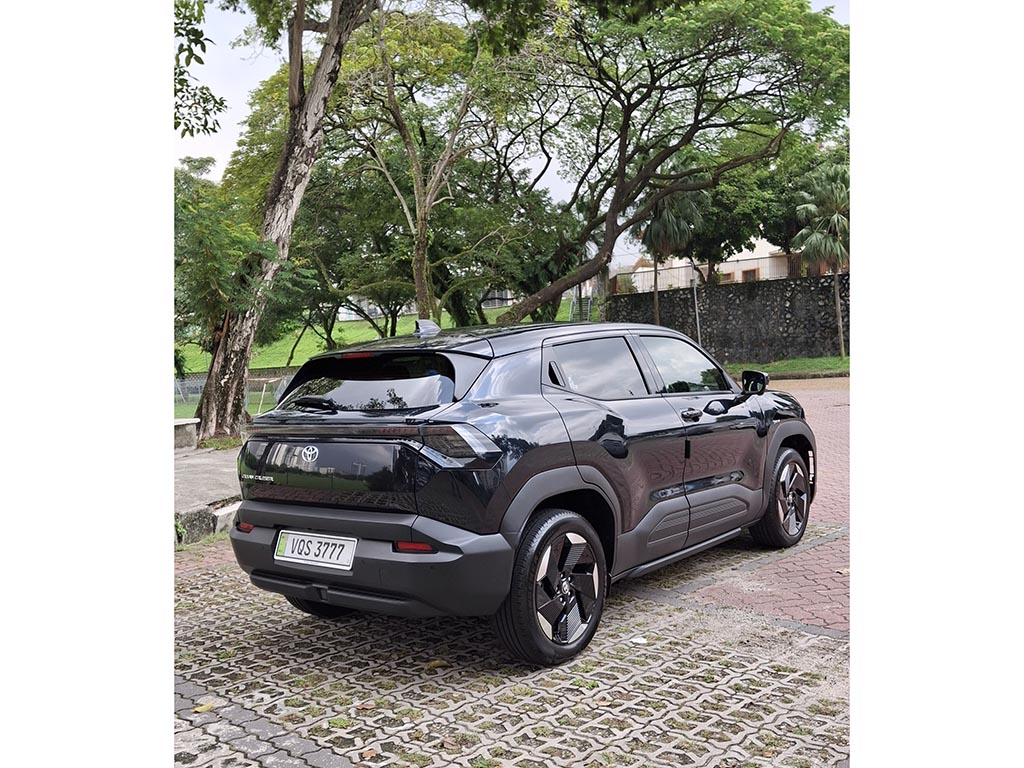
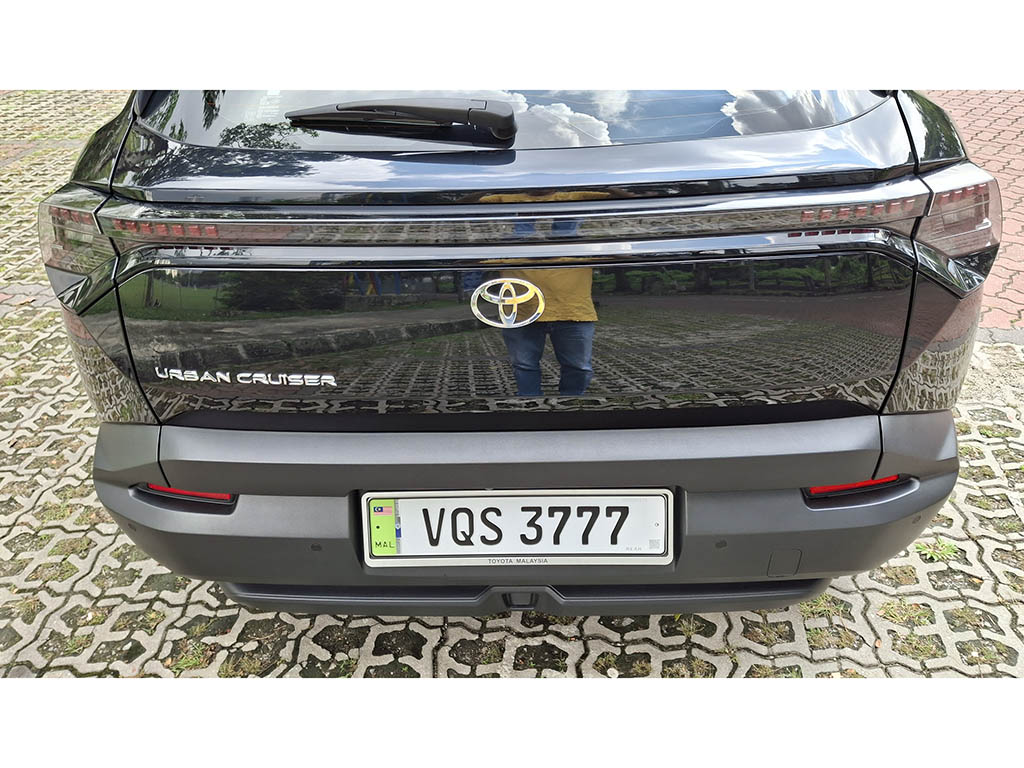
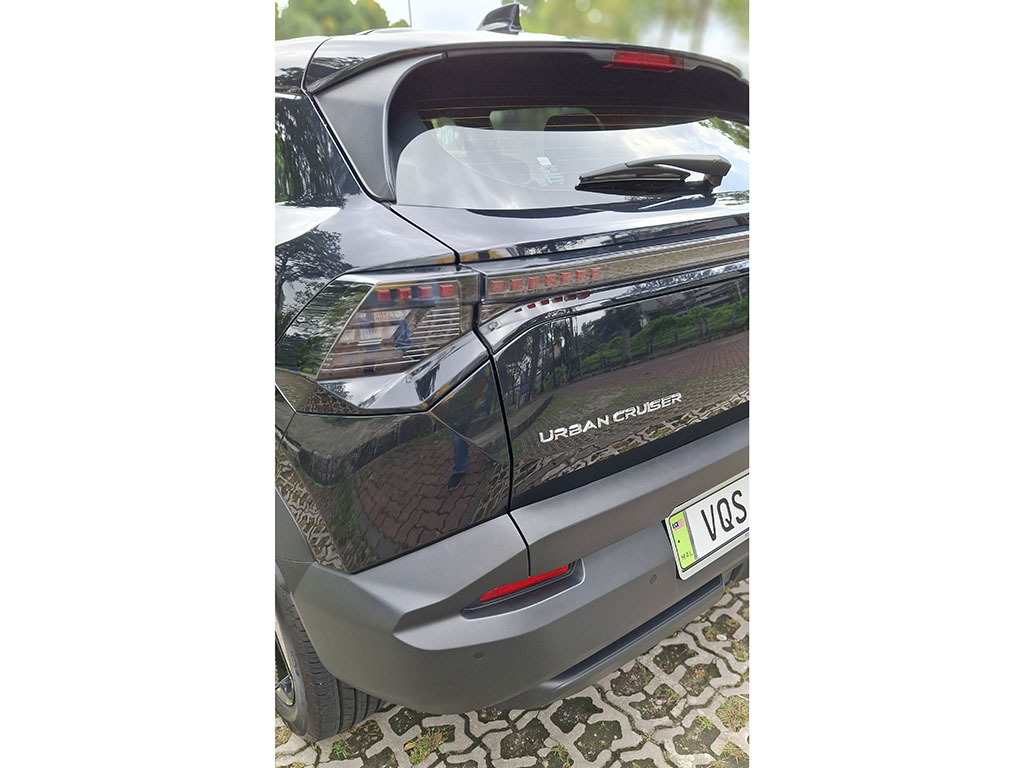
At the rear, the rear lighting unit spans the width of the back door and wraps around the car’s shoulders. Toyota has the LED lights arranged in parallel lines to create a ‘distinctive illumination signature’.
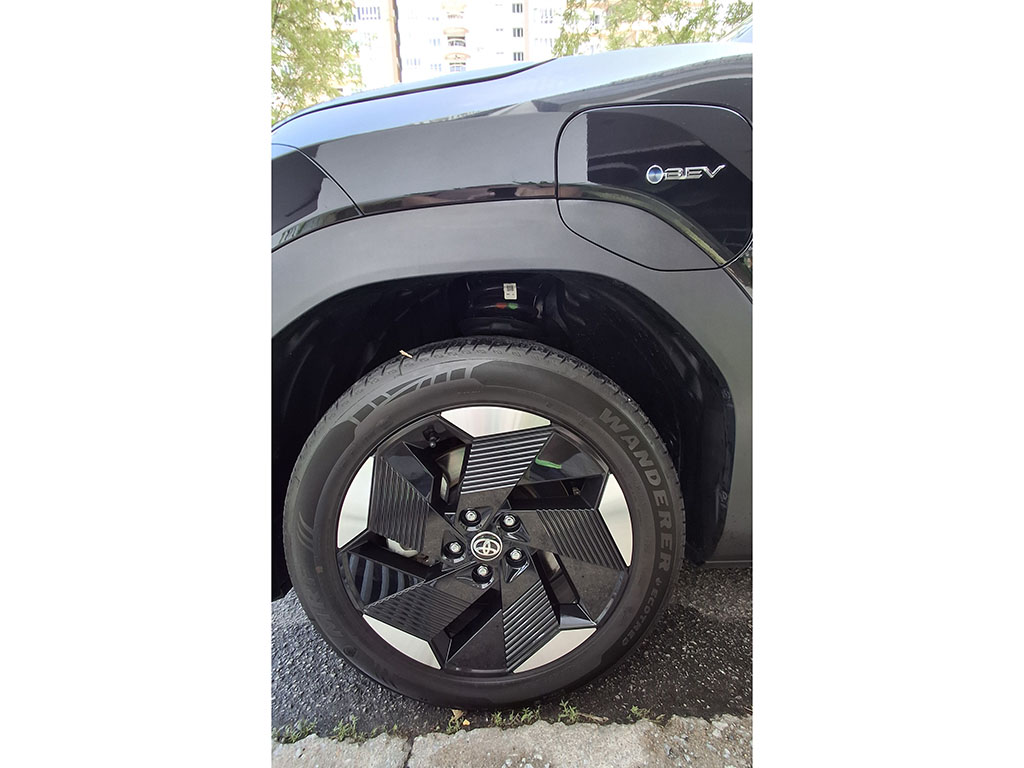
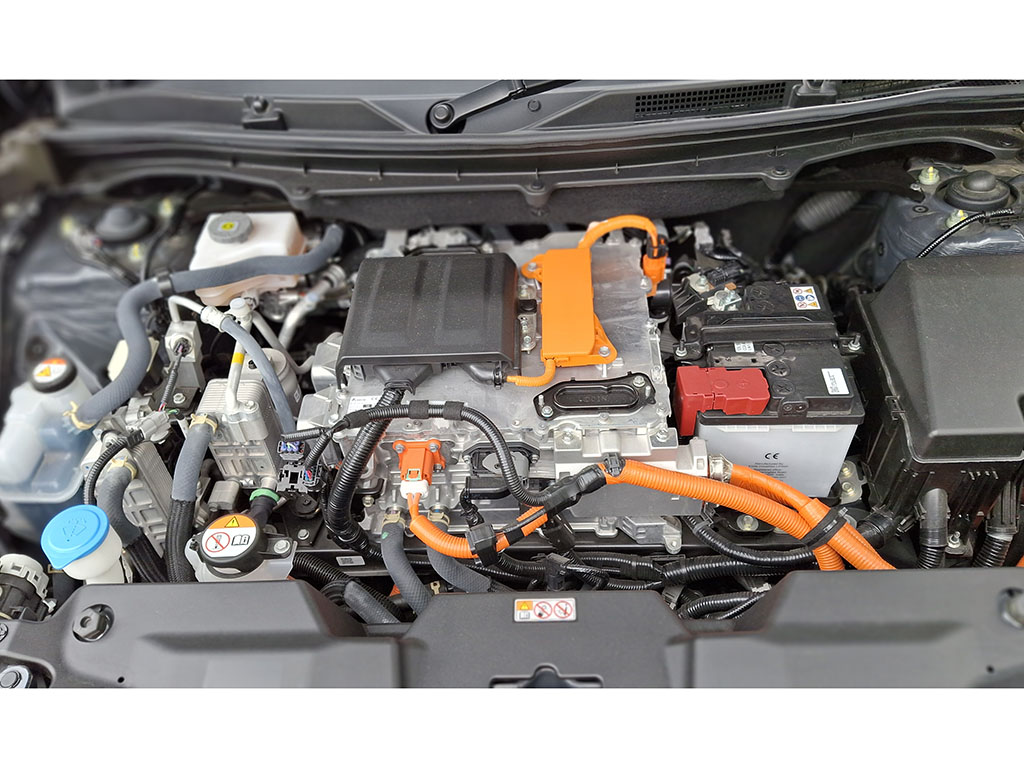
We noted that the charge point is located on the left front panel, unlike most BEVs (battery electric vehicles) that has it at the rear panel. This is because the electric power system is located in the front engine bay.
The 61.1kWh lithium-ion phosphate battery is compact enough to be located here along with the electric drivetrain and offers a range of up to 426 kilometres on a full charge. Rapid charging with a DC (direct current) power supply takes 50 minutes from 15 to 80 per cent. AC (alternate current) charging with a 7kW supply takes up to 9.5 hours from 15-100 per cent.
The electric drivetrain features an eAxle that incorporates an electric motor, inverter and reduction gears to drive the front wheels. Toyota says a small-diameter motor and long shaft keep the overall dimensions compact to save space. Output from the motor is 128kW (174PS) and maximum torque is 193Nm.
When we took the Urban Cruiser, the battery level was 98 per cent and the range available was 403 kilometres. For a compact SUV, its kerb weight is 1786kg, heavier than our C-segment Mazda CX-5, which has the same wheelbase as the Urban Cruiser. This is because the lithium-ion battery, like all those in BEVs, is a heavy unit.
As a result of the immediate uptake of electric power at the front wheels, we felt little of its vehicle weight. And during a spot of robust driving, the turbo-like injection of electric power was fully enjoyed. The Urban Cruiser just picked up speed quickly the moment we hit the accelerator to pass slower vehicles.
For those who like quick getaways from the traffic lights, the Urban Cruiser won’t disappoint. After all, it is said to accelerate from 0 to 100km/h in a reasonably quick 8.7 seconds while top speed is a modest 150km/h. Fast driving begets a similar result like ICE (internal combustion engine) vehicles; you reduce the battery range quickly just as you would consume more petrol/diesel in an ICE SUV.
We didn’t do too much of that and for the most part, drove it as one would under normal motoring conditions, mainly in the urban environment. Our aim for the three days that we had the Urban Cruiser was to see if we could keep the battery level above 50 per cent despite the spot of robust driving and checking out its dynamic performance along our favourite winding stretch.
We took to our usual corners and sweeper at good speed with confidence. The Urban Cruiser is independently sprung in front with MacPherson struts and the rear suspension is a multi-link system. It took to the winding stretches with minimal body roll but pushing it too hard would bring out the understeer. This was because the heavy front, with the battery and electric drive system, added weight that led to the wheels digging in and the vehicle wanting to go straight. Nevertheless, its dynamic limit was high enough to enjoy the drive.
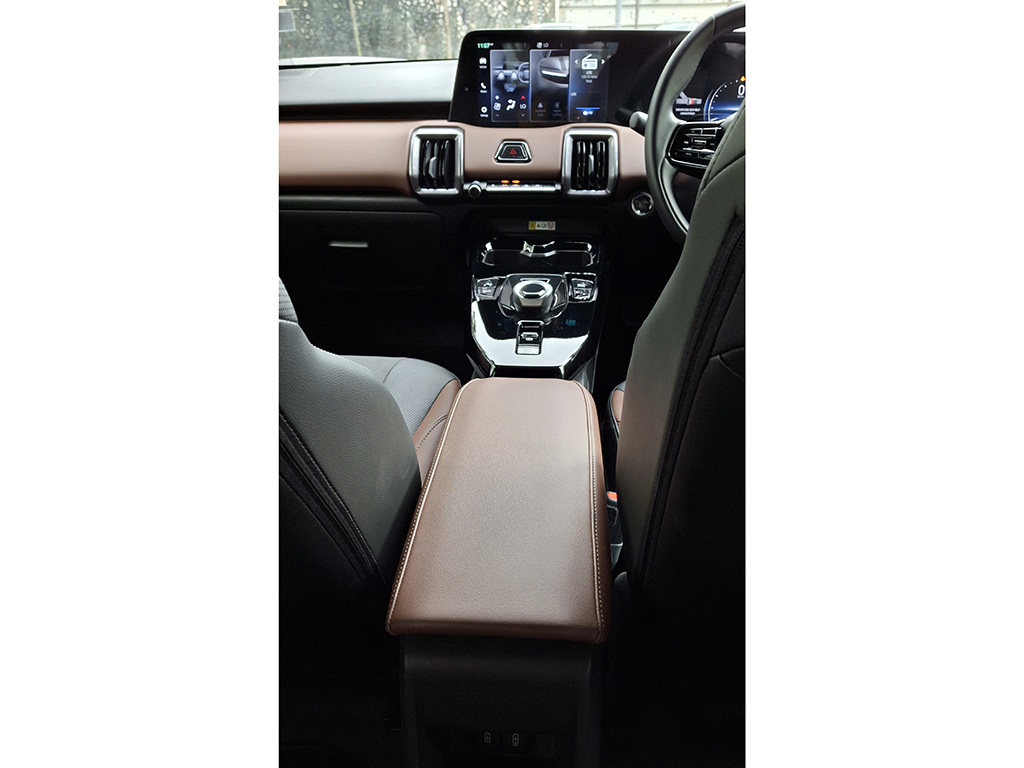
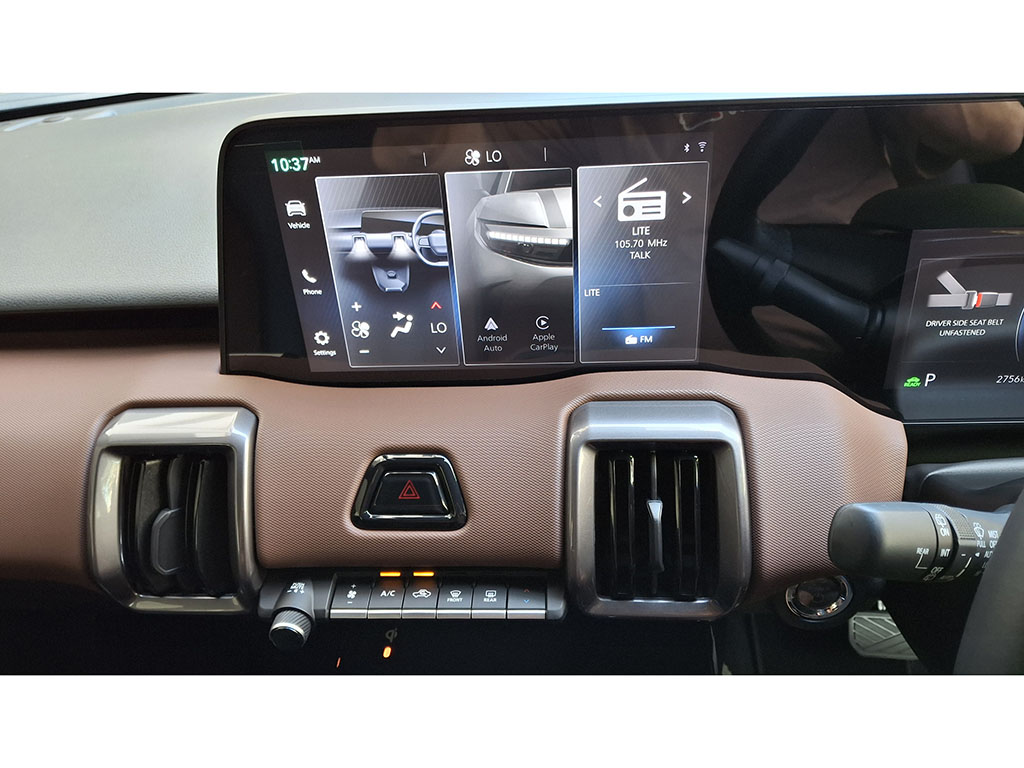
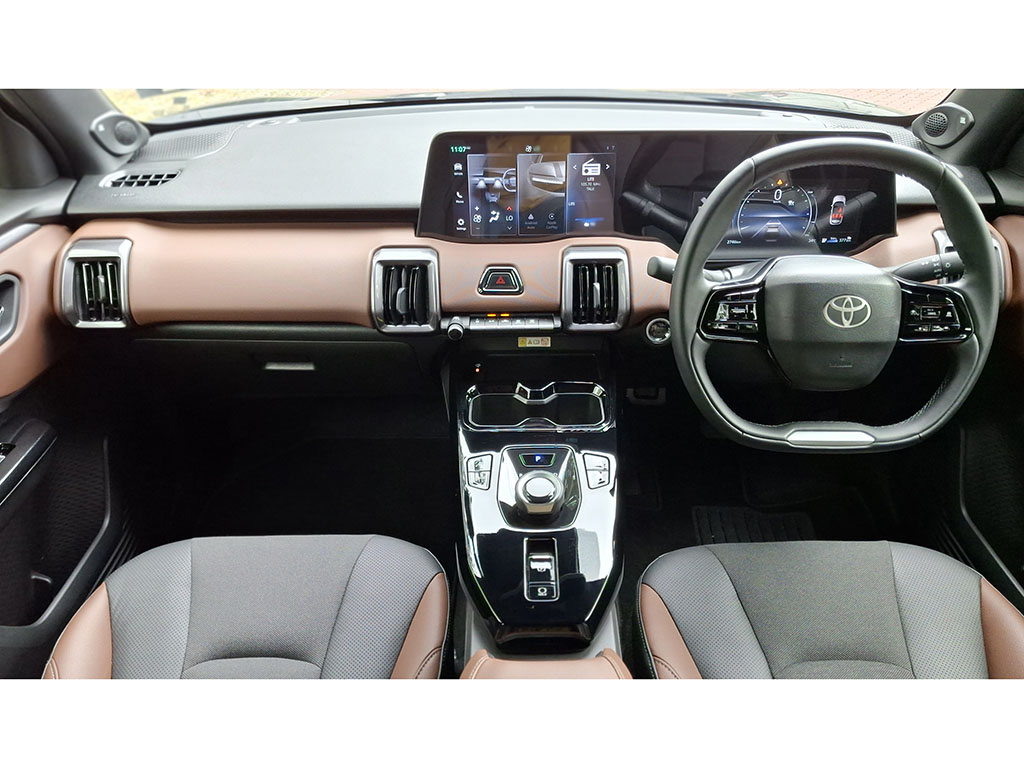
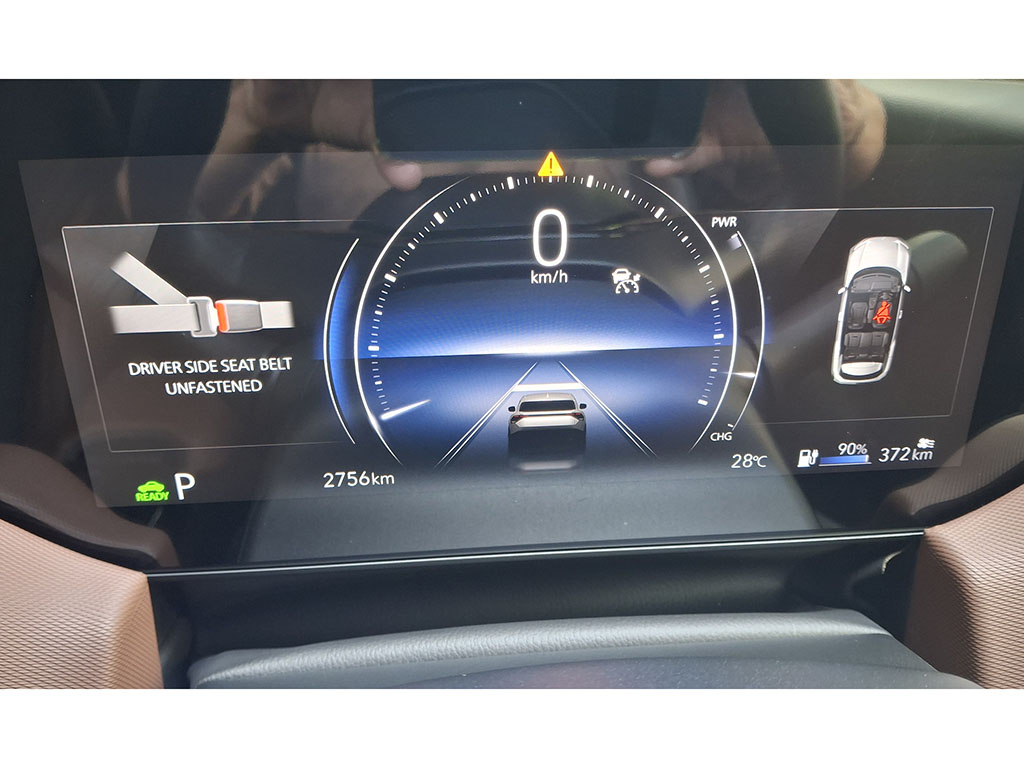
The driver’s 10.25-inch instrument panel is part of an integrated unit that includes the 10.1-inch central information display. The driver’s unit has one prominent round dial that indicates speed, electric power use and battery regeneration/charging. At the end of the day, we returned the Urban Cruiser with the battery level at 73 per cent and almost 300km range available. Not bad.
While the centre info display has touchscreen convenience for the air-conditioning system and ventilation, there are manual controls below for that as well, including a turning knob for radio volume and mute. You would have to select the respective radio stations via the touchscreen though.
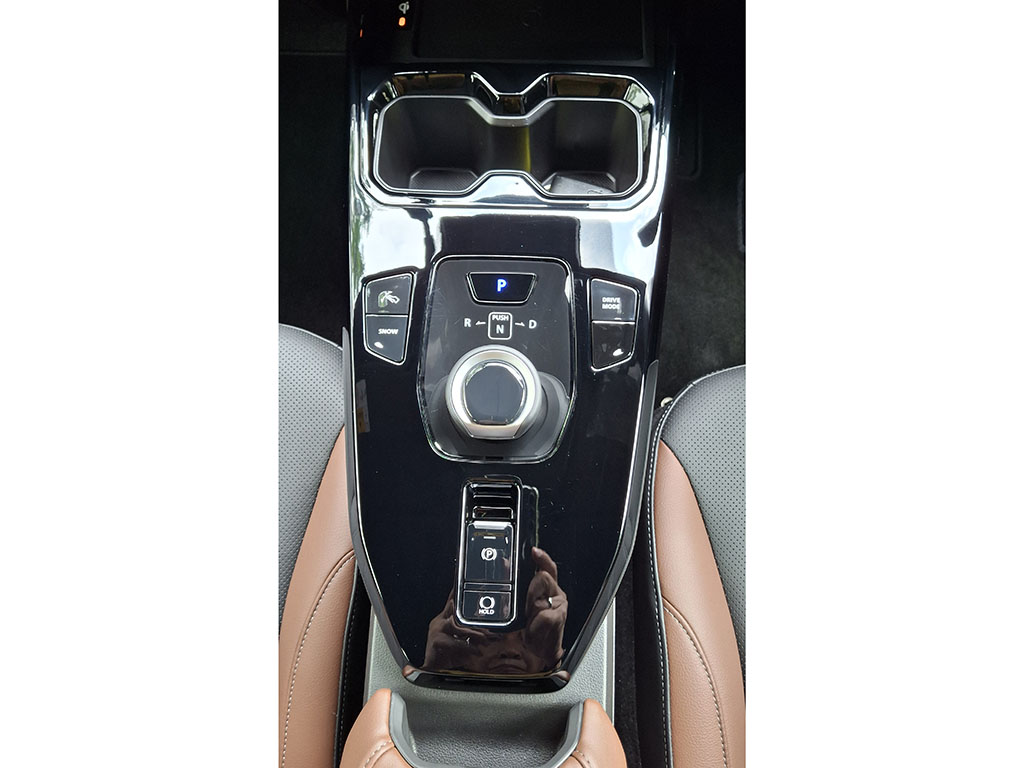
Novel gear selectors are becoming the in-thing in EVs and that in the Urban Cruiser was no different. There is a round knob on the central console with which you press the sleeve down to get Neutral and the parking brake is electronically released. Press the sleeve down and turn right to Drive while turning left would get you Reverse. And when parking, just press the parking control ahead of the knob and you’re done.
You could also choose the drive modes too, these being Eco, Normal and Sport. We drove it mostly in Normal and used Sport during the robust drive and winding road experience. Eco means a less urgent feed of electric power to drive the wheels so that you could extend battery range.
Like a typical EV, the battery is regenerated each time we decelerated and hit the brakes. Somehow, we felt that the regeneration rate wasn’t as strong as that in the Vellfire HEV we drove recently. Still, it was good enough for us to keep the battery level high enough to provide good drive range.
The suspension damping performance over the wide variety of roads and bumps that we cover daily was good. The road impacts were well cushioned to give everyone on board a comfortable ride at normal speed. The MRF Wanderer EcoTred 255/55 R18 tyres fitted on jazzy alloy wheels appeared to complement the suspension well in handling uneven road surfaces.
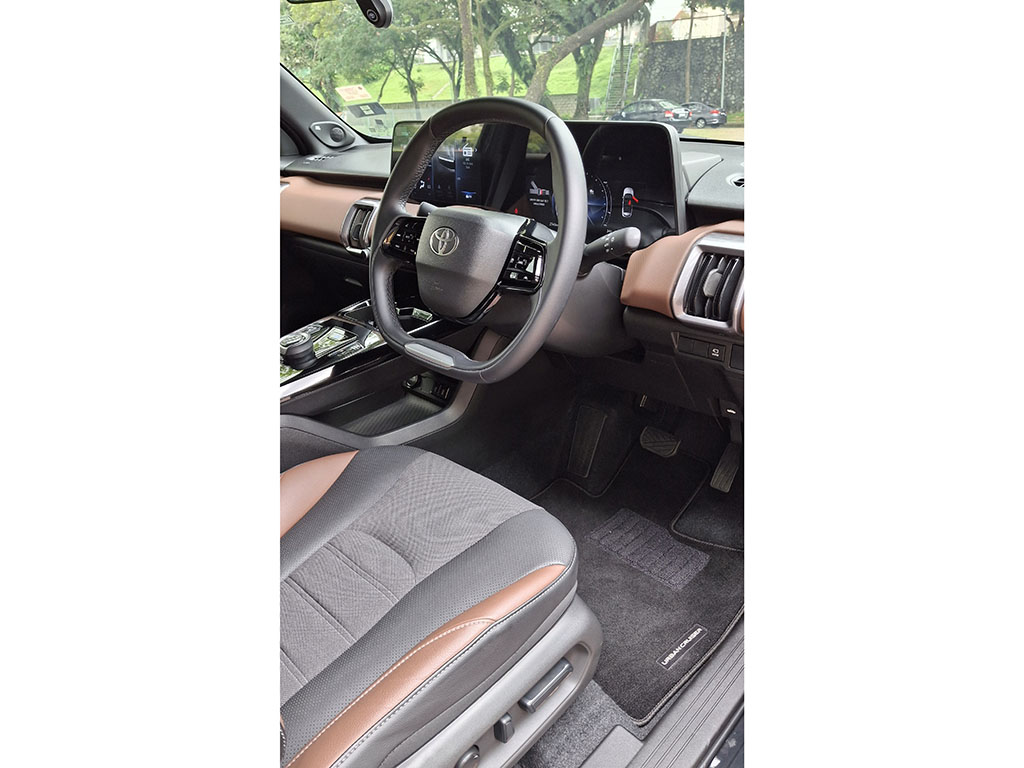
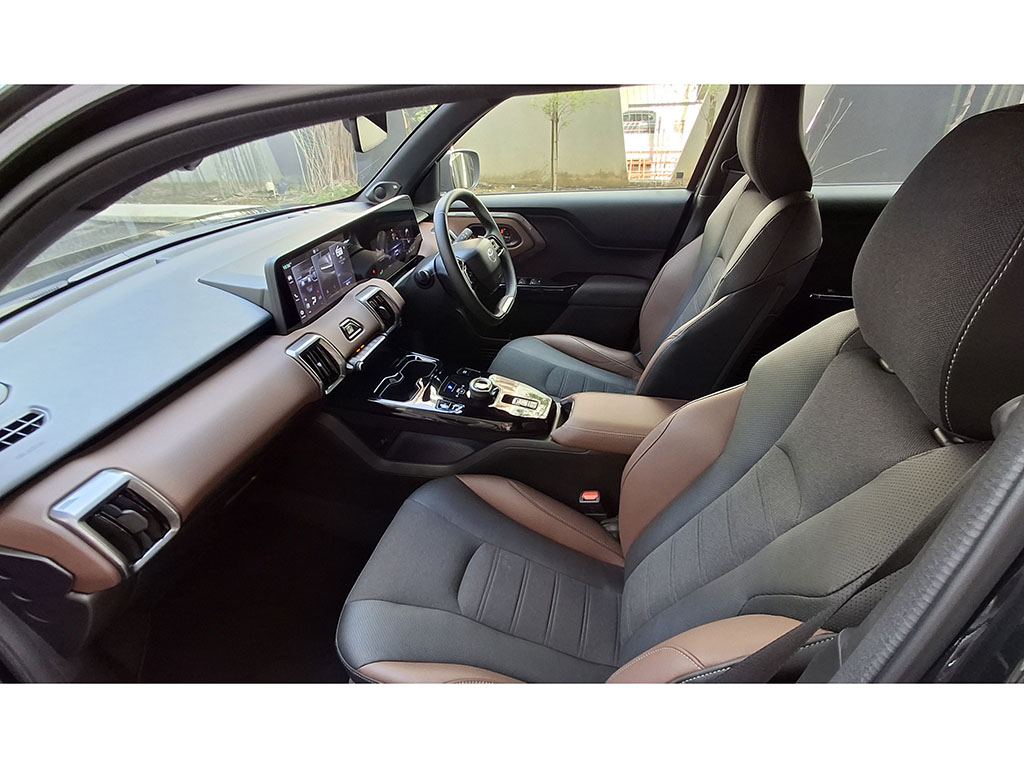
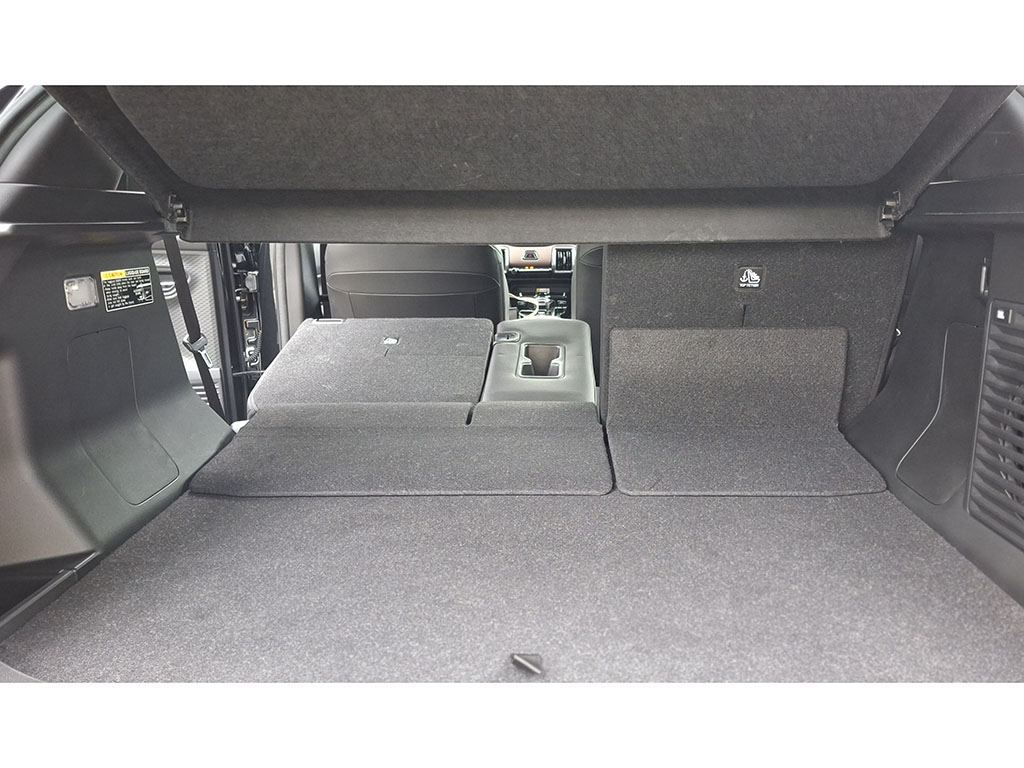
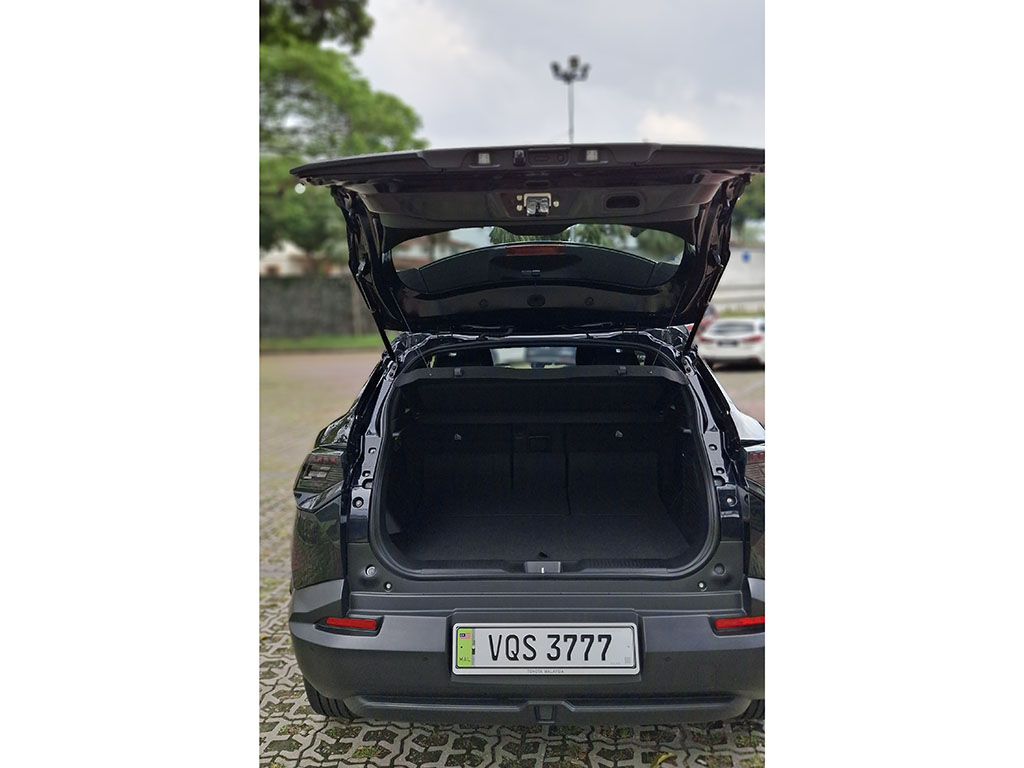
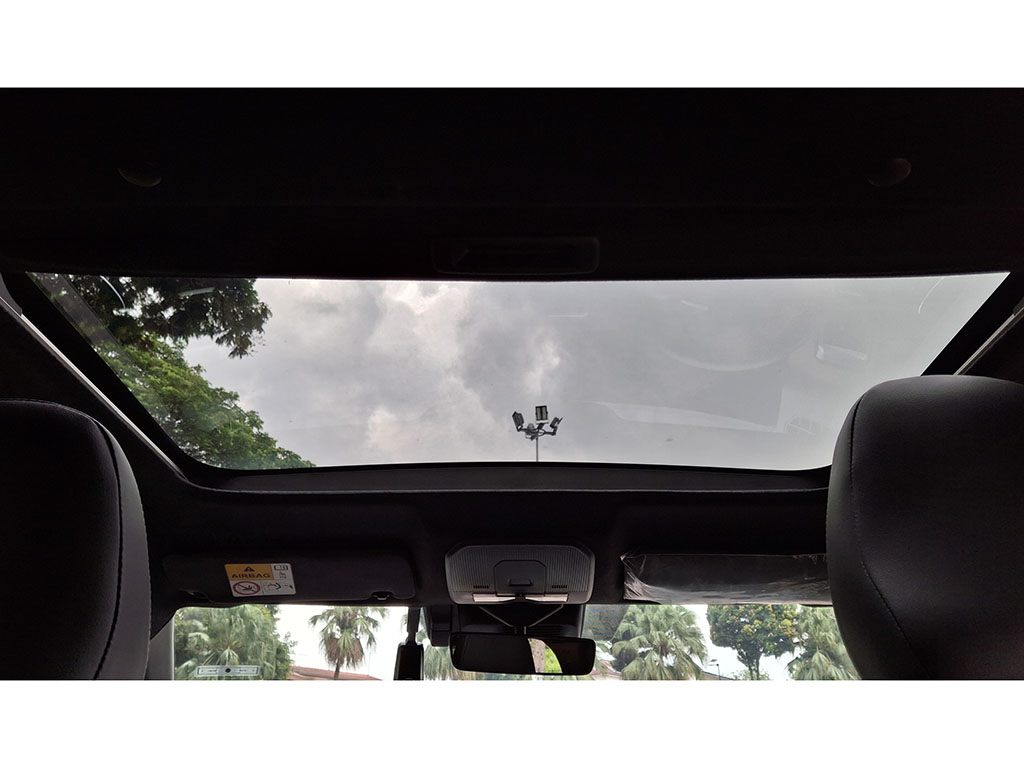
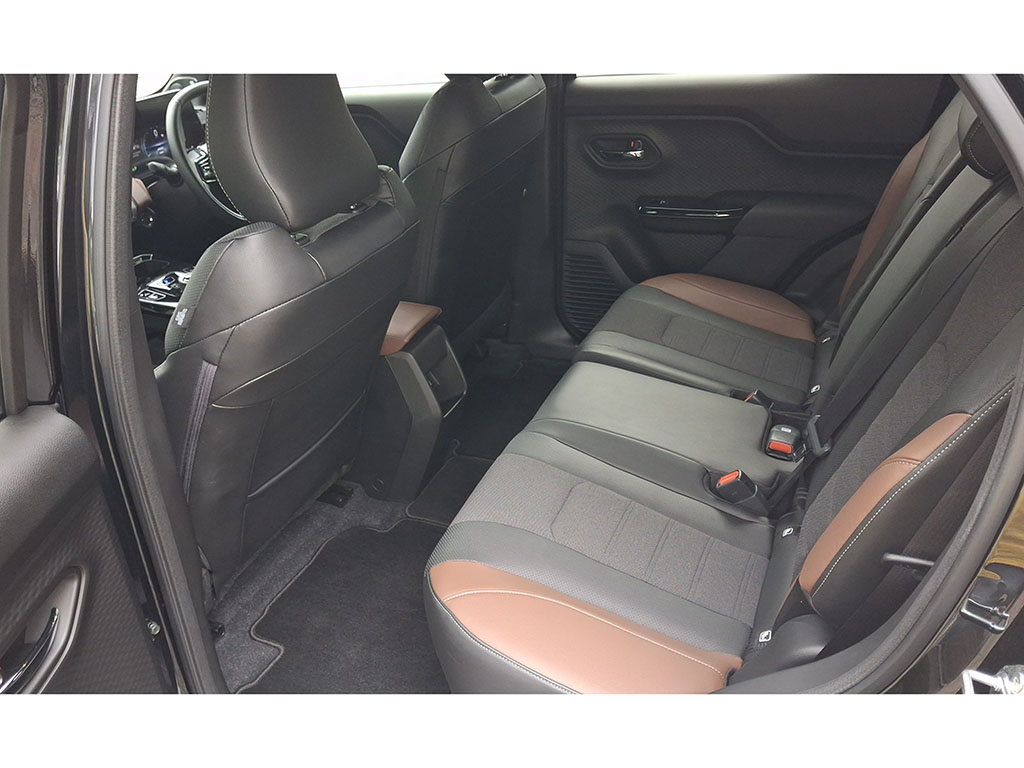
As a driver, we enjoyed the eight-way electrical adjustable seat positions and lumbar support, the two-tone synthetic leather-fabric upholstery and steering wheel (which is kind of oblong rather than flatbottomed), panoramic roof and the nine-speaker JBL Premium Audio system. The rear seatrests are split 40:20:40 for a more gradual freeing up of luggage space; as it were the luggage room of up to 306 litres should accommodate a fair bit of holiday kit.
The only thing not going for it is the RM198,000 on the road price without insurance, especially when you consider the cheaper alternatives from the Chinese range. And if you consider the Proton e-MAS 5, which is a similar sized SUV that’s half its price, it is even more of a downer.
But if you are prepared to pay for an exclusive one-upmanship in compact SUV EV motoring, then the Toyota Urban Cruiser is right up your alley. And you get to enjoy five years vehicle warranty and eight years battery and EV drivetrain warranty, both with unlimited mileage.